Our History
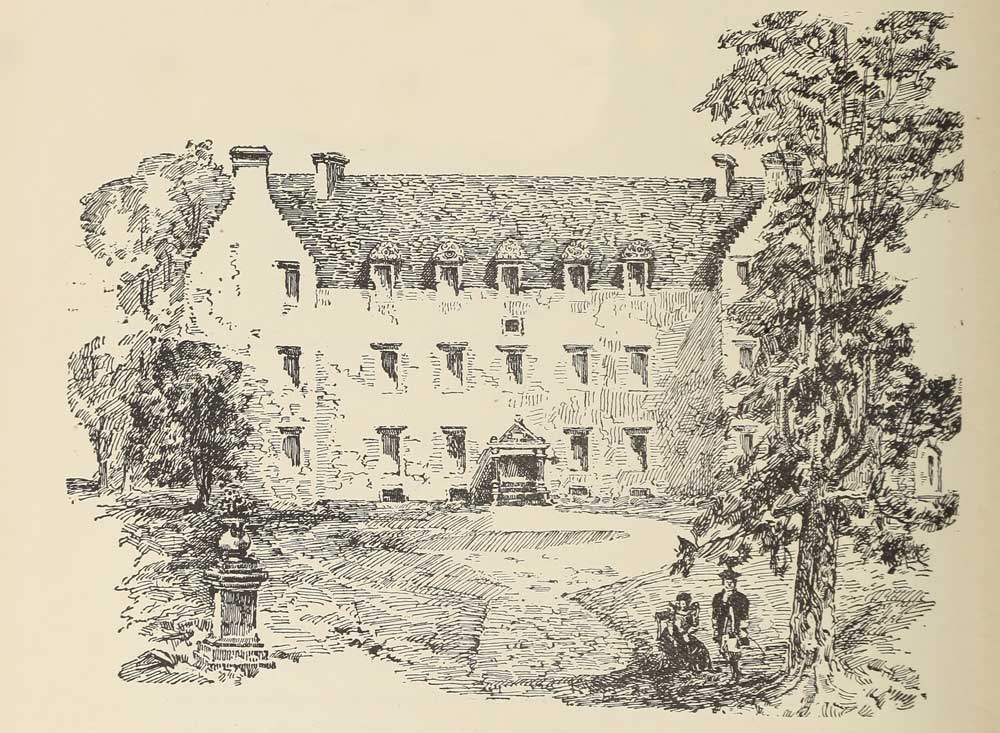
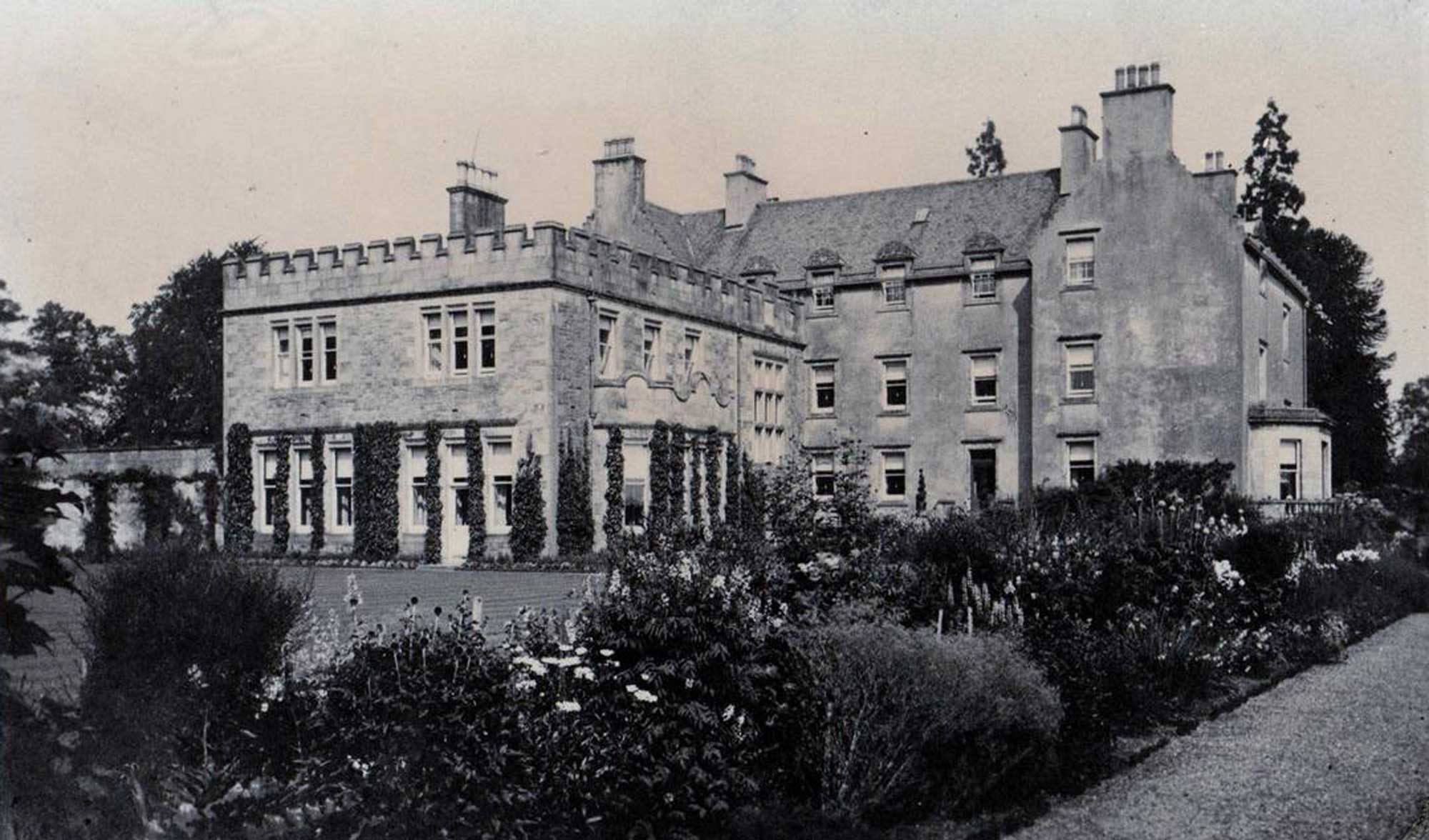
Bannockburn House is one of Scotland’s most remarkable surviving 17th-century houses. Standing just outside Stirling, it has witnessed centuries of change: from medieval barony and noble ownership, to Jacobite intrigue, industrial prosperity, decline, and ultimately community rescue. What survives today is not only a rare and beautiful historic house, but the layered story of the people, politics, craftsmanship, and culture that shaped it.
The estate’s roots reach back much earlier than the present mansion. The wider Barony of Bannockburn, also known as Ochterbannock, can be traced to the early 14th century and passed through a succession of important families, including the Bissets, Wallaces, Sandilands, Drummonds, Rollos, Patersons, Ramsays, Wilsons, and others. Each left a mark on the land and on the story of Bannockburn.
Before the present house was built, the site was associated with the Drummond family and an earlier residence known as Drummond’s Hall. Map evidence from the late 16th century suggests that a significant building stood here before the 1620s, showing that Bannockburn was already an established place of importance long before the house we know today took shape.
The core of the present house is generally thought to date from the mid-17th century, likely around 1654, during the Rollo period. In 1672, Sir Hugh Paterson acquired the estate, and much of Bannockburn House as it survives today is closely associated with the Paterson family. By the 1670s the house had become a striking laird’s mansion, and it still retains rare features from this period, including remarkable plasterwork and important surviving interiors.
Bannockburn House is perhaps best known for its Jacobite connections. Prince Charles Edward Stuart stayed here in September 1745 and again in January 1746, when the house served as an important Jacobite headquarters during the siege of Stirling and the campaign that led to the Battle of Falkirk. These events place Bannockburn House at the heart of one of the most dramatic chapters in Scottish history.
Later owners carried the story into new eras. The Ramsays held the estate from the late 18th century, followed in 1883 by Colonel Alexander Wilson, whose family links Bannockburn House to the rise of Bannockburn as a world-famous centre of tartan production. In 1910 the house passed to James Mitchell, before later 20th-century ownership under the Pickard and Drake families. These later chapters saw both change and decline, but they are just as important in understanding how the house reached the present day.
In 2017, Bannockburn House entered a new chapter when it was purchased for the community. After centuries of private ownership, the house is now cared for by Bannockburn House Trust, whose work focuses on research, conservation, restoration, and public benefit. Today, Bannockburn House is not simply a monument to the past, but a living community-led heritage project with a future still being written.